
Hope that fuels persistence, science that delivers progress.

Rare Futures Foundation is a parent-led nonprofit accelerating translational research for children with ultra-rare neurodevelopmental disorders.


Our first mission
Restoring HDAC4 function in 2q37 deletion syndrome — a pioneering effort to turn genetic insight into therapeutic reality.
Mission &
Founding Vision

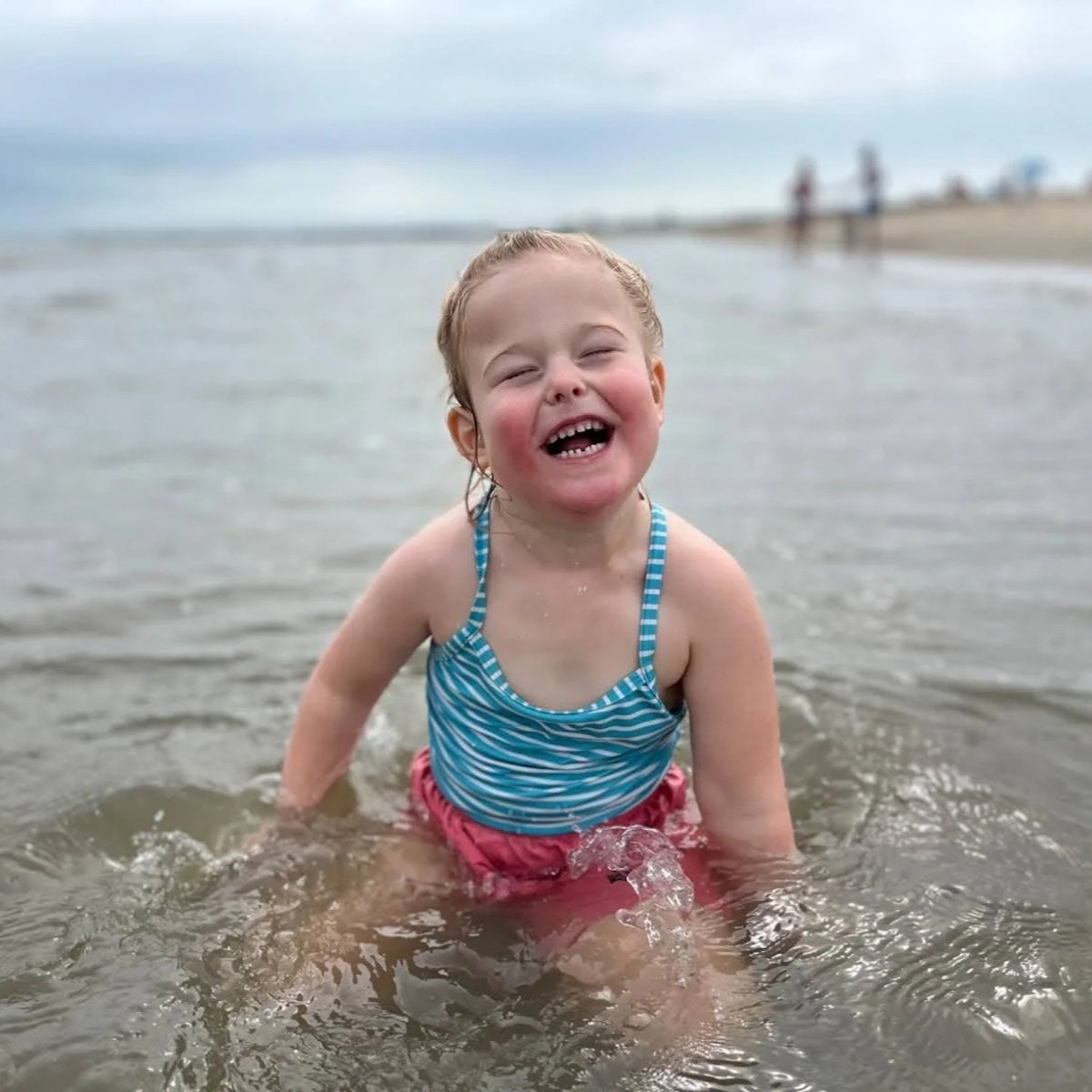
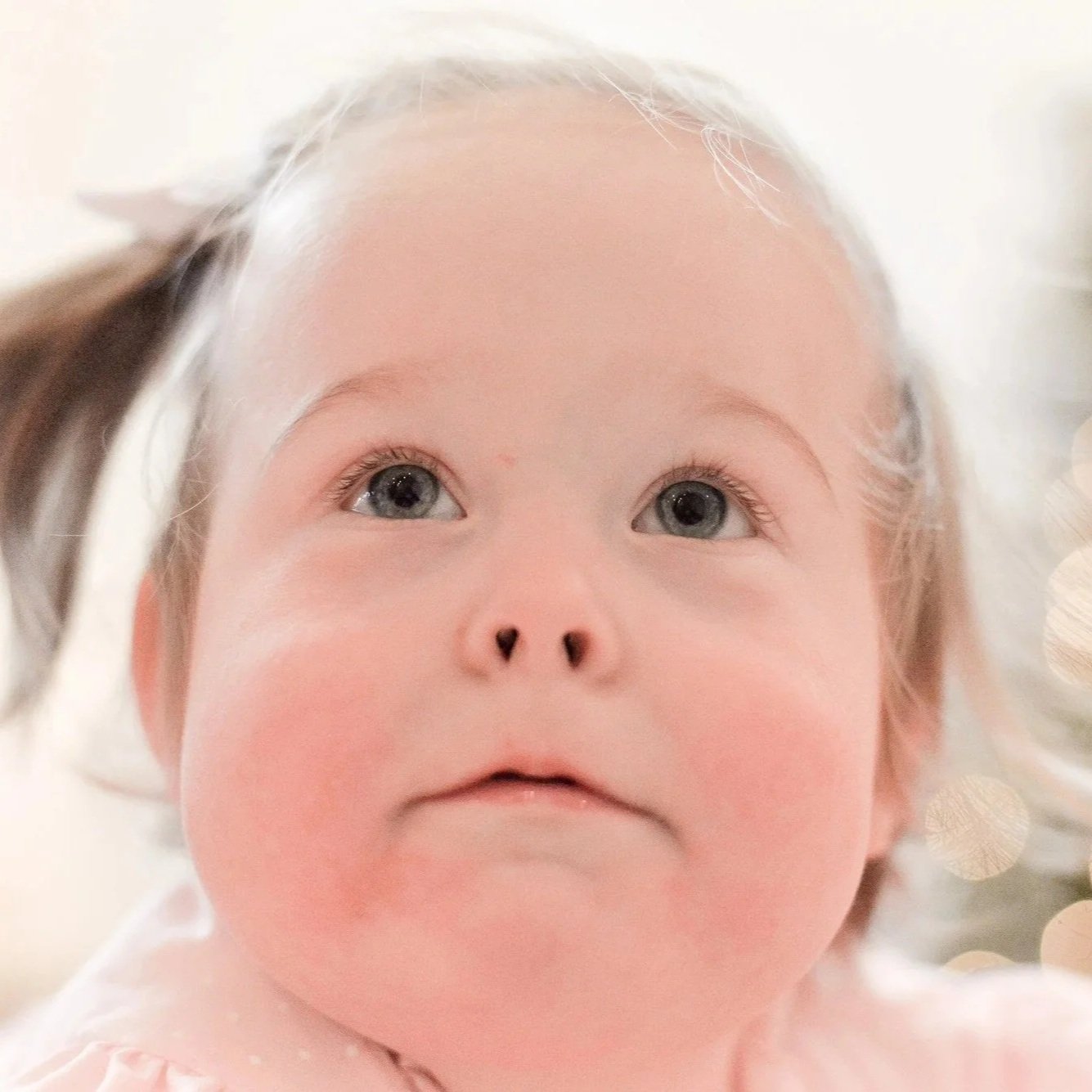
When our daughter was diagnosed with a 2q37 deletion encompassing HDAC4 — a change that disrupts her ability to move, speak, learn, and form the neural connections needed for development — we were told there was no treatment, and likely never would be.
But “no treatment” doesn’t mean “no options.” It means no one has built one yet.
The Rare Futures Foundation was founded to change that. We believe patient communities can and should drive discovery. By uniting families, scientists, and philanthropists, we’re building the scientific and financial infrastructure needed to translate genetic understanding into tangible treatment strategies.
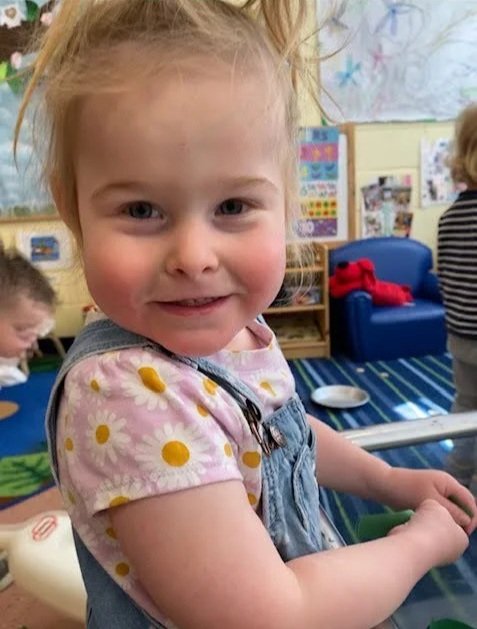

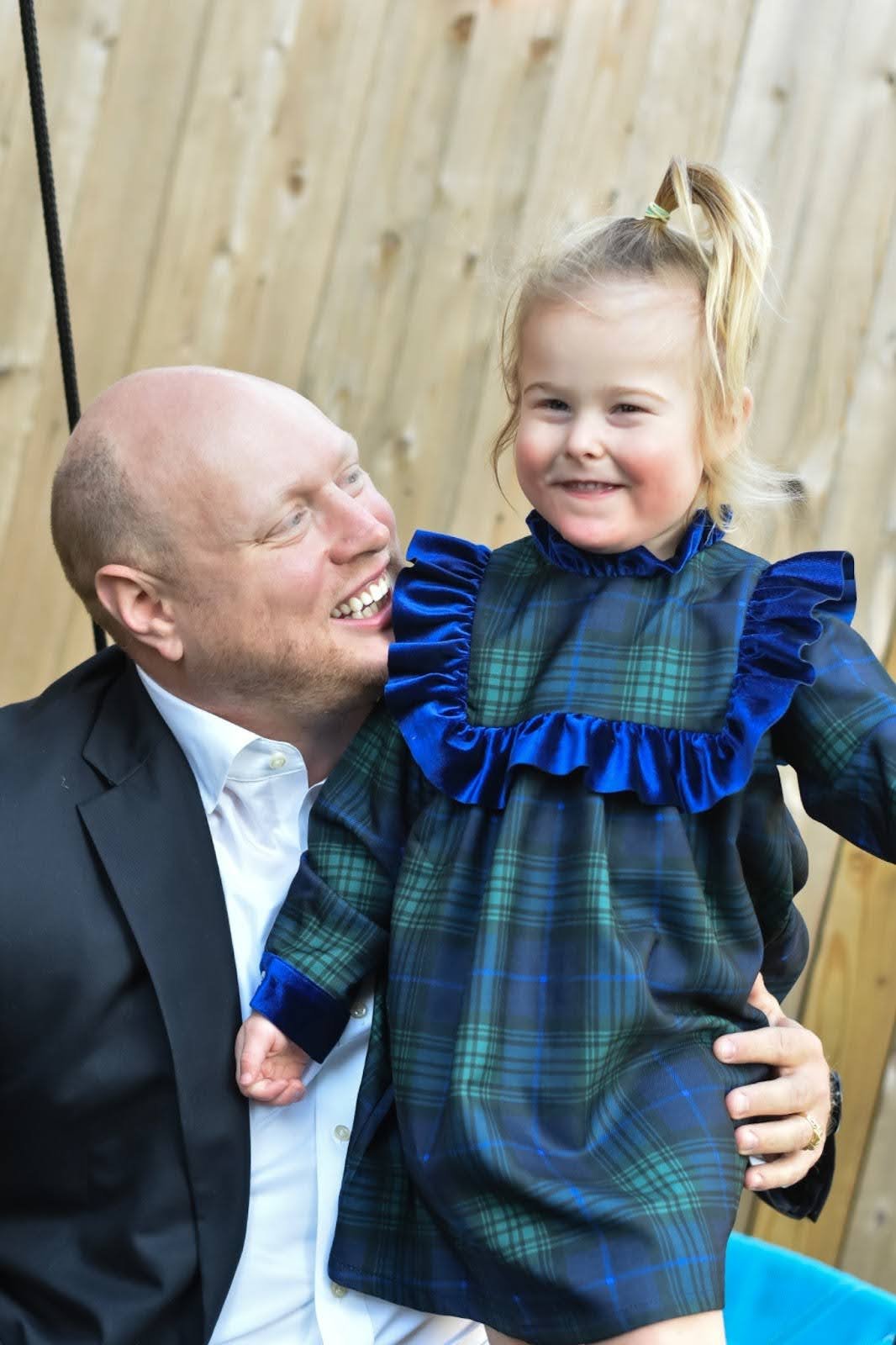
Our work begins with HDAC4 — a dosage-sensitive chromatin regulator that helps neurons grow, connect, and learn — but our vision extends far beyond one gene.
We’re creating a blueprint for how families can move ultra rare neurodevelopmental disorders from mystery to medicine.
Research Focus
Our flagship effort, the HDAC4 Rescue Feasibility Study, is the first phase of establishing whether restoring the HDAC4 gene, can help brain cells work better in 2q37 deletion syndrome. This patient-funded initiative is testing multiple rescue strategies in patient-derived neurons and model systems to generate the critical data needed to guide future therapeutic development.
Our Research Tracks

iPSC lines and Molecular Models
We are partnering with NeuCyte, led by Dr. Wayne Poon, to generate patient-specific and sibling-control iPSC lines that model HDAC4-related biology at the cellular level. These molecular models will allow us to study neuronal function, test therapeutic hypotheses, and identify measurable rescue endpoints.

In Vivo Studies
We are building HDAC4 haploinsufficient mouse models to mirror the genetic changes present in 2q37 deletion syndrome. These in vivo studies help us understand how therapies perform in a living system—bringing us one step closer to identifying treatments that can meaningfully improve development and learning.
Our Rescue Tracks

Antisense Oligonucleotides (ASOs) modulation
We are exploring an ASO rescue approach designed to gently boost the expression of the remaining healthy HDAC4 allele. This strategy aims to modulate gene output without altering DNA, providing a potentially safer and highly targeted way to restore critical protein levels.
CRISPR Allele Activation
2q37 deletion syndrome happens when a child is missing one copy of several important genes, including key genes like HDAC4, AGAP1, and KIF1A. Because only one working copy remains, these genes don’t make enough of the proteins the brain needs to develop and function properly.
Using a technique called CRISPR activation (CRISPRa), our goal is to turn up the activity of the remaining healthy copy of these genes—especially HDAC4—so the cells can produce more of the needed proteins and function more normally.

Molecules & Modulators
Alongside our genetic approaches, we are evaluating small-molecule therapeutics—including a focused drug-repurposing screen—to identify compounds that can restore HDAC4 function or normalize affected neuronal pathways. These explorations help us map the biochemical landscape of HDAC4 haploinsufficiency and may yield fast-path treatment candidate.
How We Measure Success

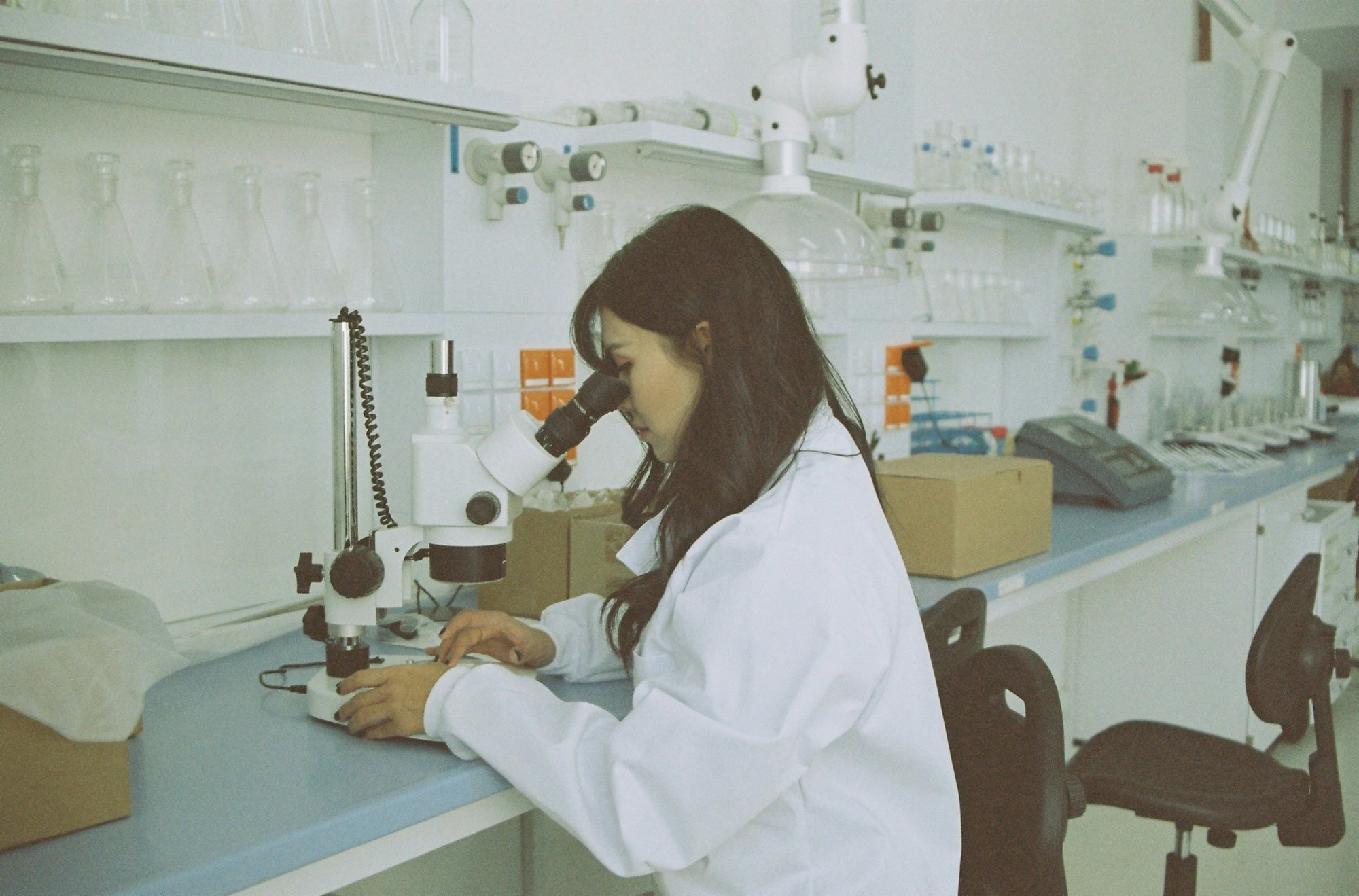
We look for signs that our approaches are helping brain cells work more normally — restoring healthy HDAC4 levels, rebalancing key pathways involved in learning and memory, and improving how neurons grow and communicate.
By building patient-derived neuronal and mouse models in parallel, we can rapidly identify which therapeutic approaches are both effective and scalable for future clinical translation.
Research Partnerships
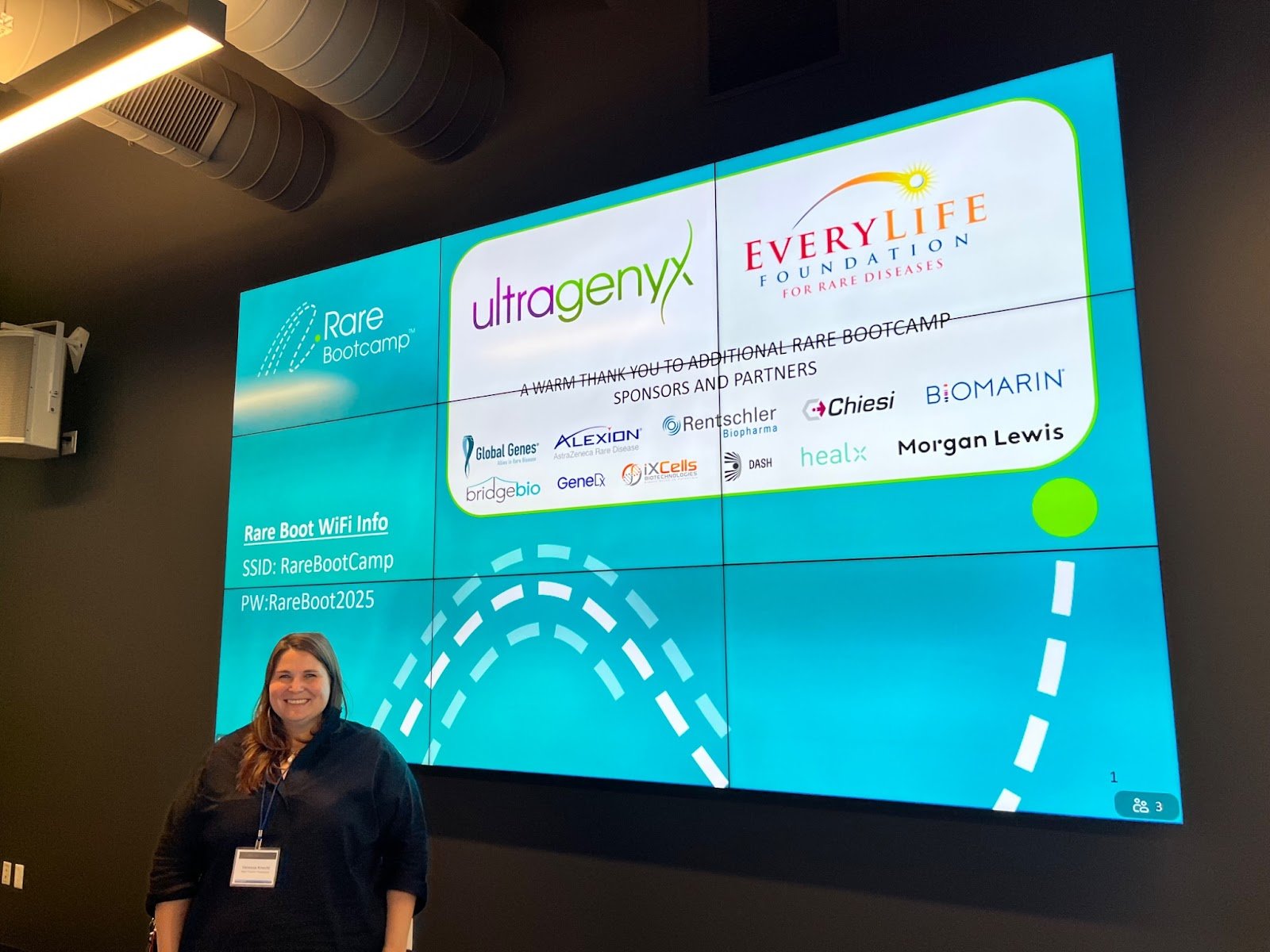
Rare Futures Foundation is currently soliciting proposals from academic institutions, contract research organizations (CROs), and biotech companies to participate in our HDAC4 Feasibility Study.
This initiative aims to evaluate multiple strategies for restoring HDAC4 function in 2q37 deletion syndrome.
For more information, please contact
vanessa@rarefutures.org
Please note: Rare Futures Foundation does not pay indirect or university overhead costs.
Latest updates and stories

Donate Now

Every donation accelerates discovery
Getting to first-in-human trials will take an estimated $3 million — funding the research, data, and partnerships needed to move from lab to life-changing therapy.
100% of funds go directly to preclinical research through vetted academic and biotech partners, and every contribution is fully tax-deductible.
About the Rare Futures Foundation
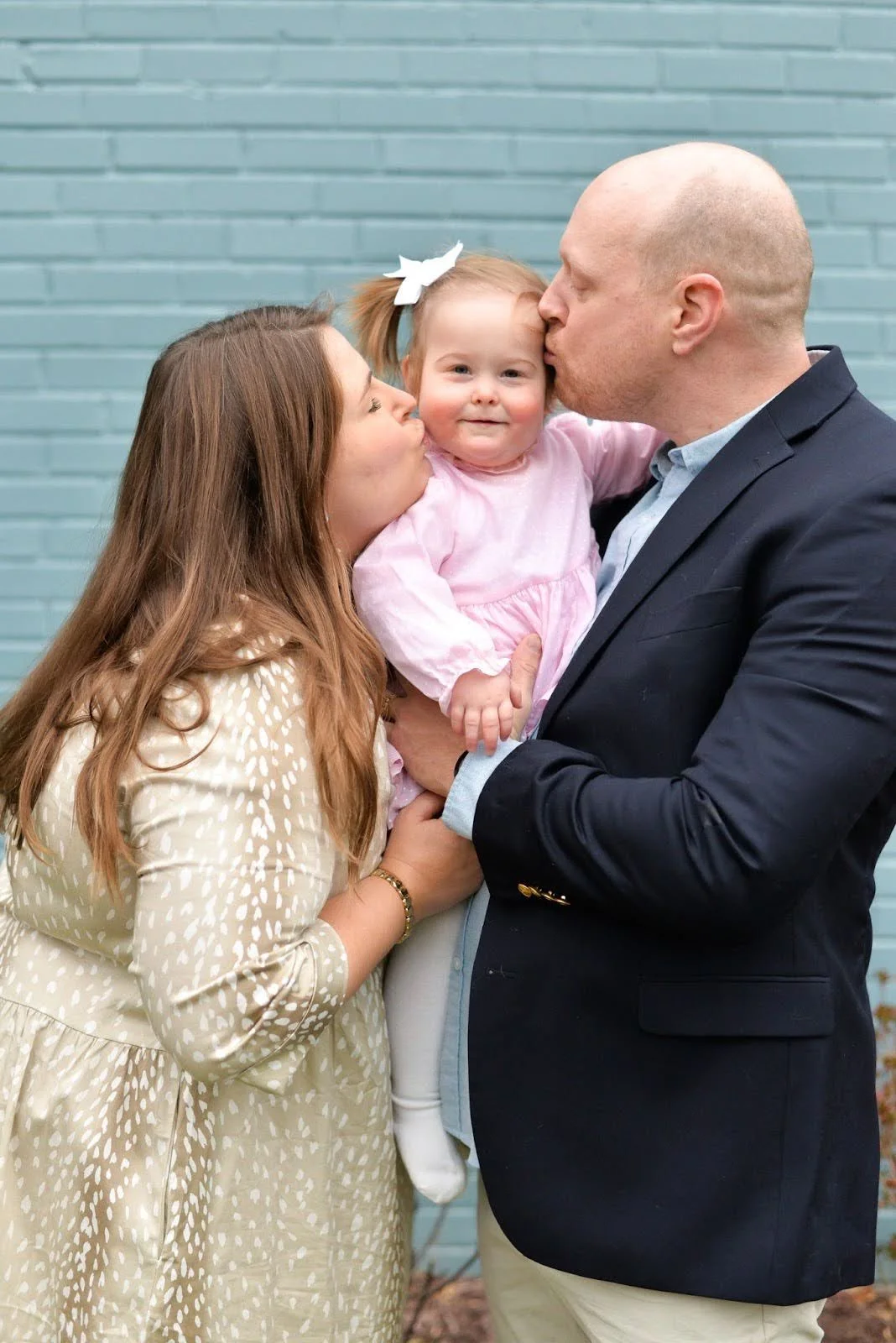

Rare Futures Foundation is a 501(c)(3) nonprofit based in Bethesda, Maryland.
We collaborate with leading academic and industry partners to de-risk therapeutic development for ultra rare neurodevelopmental disorders.
Our approach is lean, parallel, and data-driven: we build patient-derived cellular models, generate early functional data, and test multiple therapeutic modalities side-by-side to identify the most viable path to treatment.
Leadership
Founded by Vanessa Knecht, a startup operator and mother turned rare-disease advocate, Rare Futures operates at the intersection of science, strategy, and empathy — proving that parent-led research can be both rigorous and revolutionary.